






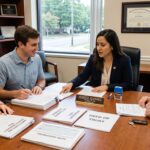
When buying or selling a home in North Carolina, clients are often surprised to learn that a licensed attorney is involved in the closing process.If you're moving from another state, you may have worked with a title company or escrow company in the past and wonder why North Carolina does things differently. More Than a Signature at the Closing TableMany people assume the attorney's job is simply to Read More
What ALTA’s New Identity Verification Standards Mean for North Carolina Real Estate Closings

For North Carolina real estate attorneys, title professionals, lenders, Realtors, buyers, and sellers, ALTA's updated Best Practices are more than an industry recommendation. They represent a significant shift toward stronger fraud prevention measures at a time when impersonation schemes are becoming increasingly sophisticated.Because North Carolina is an attorney-closing state, closing attorneys already serve as Read More
Looking for a Title or Escrow Company in North Carolina? What You Really Need Is a Real Estate Attorney

If you're buying, selling, or refinancing property in North Carolina and you're relocating from another state, one of the first things you may search for is a "title company" or "escrow company."That makes perfect sense. In many states, title companies handle real estate closings, manage escrow funds, prepare documents, and oversee the transaction from contract to closing.However, North Carolina is Read More
The Case for North Carolina Realtors Utilizing Seller Side Attorneys for Client Closings

Client Confidence and Satisfaction:Recommending a seller side attorney shows a commitment to providing support and protection for your clients. Having control over your client’s experience by providing a trusted attorney you know and trust increase the odds a smooth experience. By teaming up with a trusted attorney seller agents instill confidence in their clients and ensures exceptional service. The peace of mind Read More
Who Pays the Taxes in North Carolina Real Estate Closing?

If you are buying or selling a home in North Carolina, you may wonder who pays the taxes at the closing table. Taxes are one of the closing costs that both buyers and sellers have to pay to finalize the transaction. However, not all taxes are the same, and not all taxes are paid by the same party. In this blog post, we will explain the different types of taxes involved in a North Carolina real estate closing, and who Read More
The Closing Process for Residential Property
6 Tips for Realtors to Provide their Clients with an Easy Attorney Experience

“What do you mean my spouse has to sign?” Carol C. Beasley, NCCP.

One of the most frequently asked questions we have encountered in real estate law is, “Why does my spouse have to sign?” The answer to that question is, because North Carolina recognizes the existence of marital rights in real property. Many couples today choose to keep their individual property separate, especially property owned before marriage. But in North Carolina, real property spousal rights are written Read More
Blog Series: What Does A Real Estate Paralegal Do? Introduction & Part I: The Information Distribution Center

Introduction Whether you are buying, selling, or refinancing real estate, an attorney is a required part of the process in North Carolina. You may have received a referral for an attorney from your real estate agent, lender, or even a friend. Perhaps you have reached out to an attorney that you have worked with before. No matter how you have chosen your attorney, most likely the first person you will talk to within Read More
10 What the Hecks of Real Estate

Selling or Buying property can cause a person to yell, “What the Heck!” or some other colorful language to describe their stress and confusion.At Stott, Hollowell, Windham & Stancil, PLLC we know that the sale or purchase of a home can be hectic at the best of times. Below are 10 “What the Hecks” we commonly hear from our clients during the selling/buying process. Read More

 (704) 827-3941
 (704) 800-6454
 704-827-0644